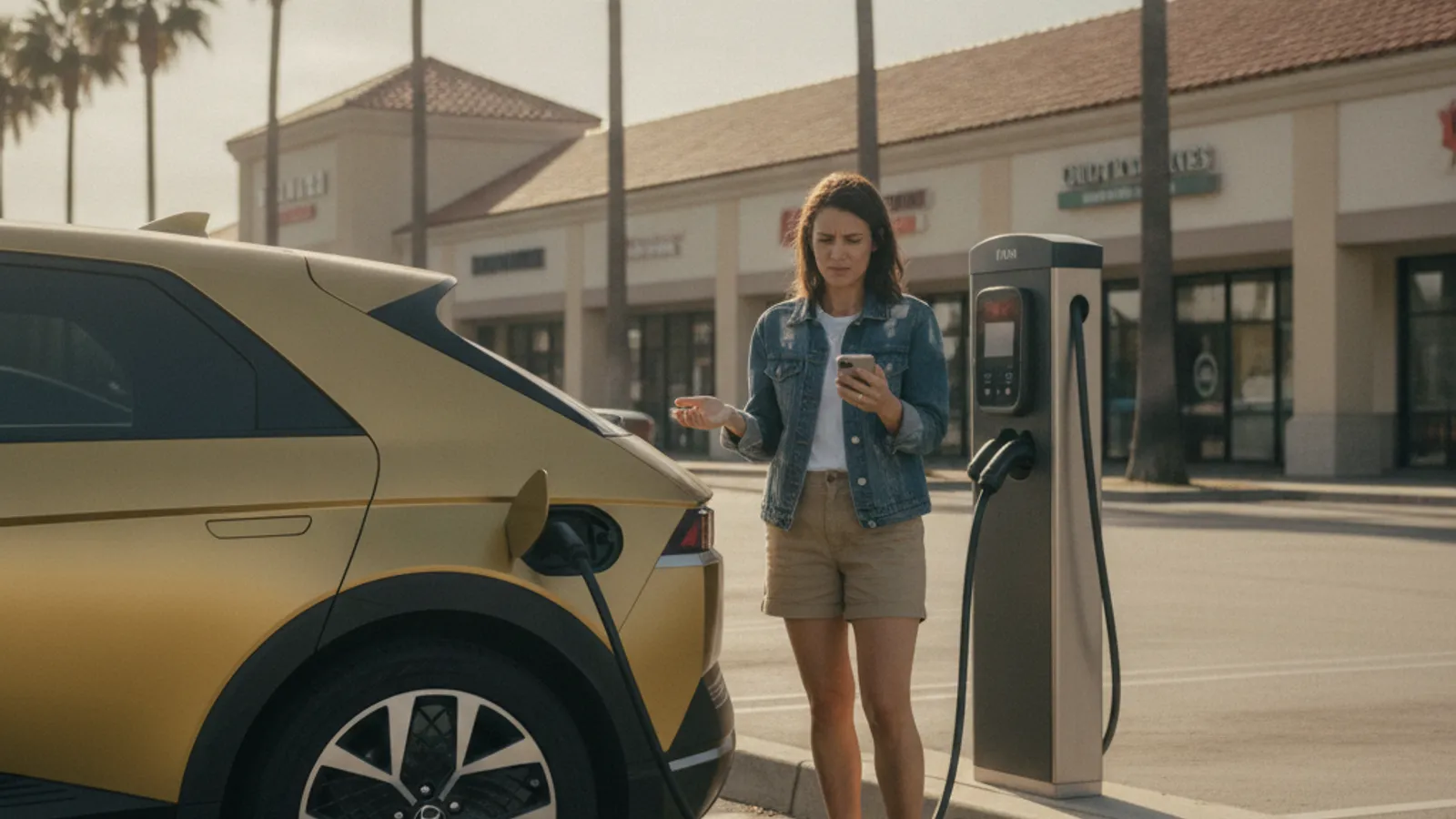
A public EV charger that does not work is annoying anywhere. In Redmond, where the Microsoft campus and the tech-belt workforce have made EV adoption near-saturating, a broken stall can leave a driver with no realistic Plan B before the pack drops into reserve. The combination of campus-dwell traffic, fast-filling garages, and a small set of high-traffic charging hubs makes a single failed stall feel larger than it would elsewhere.
This guide covers what to try at the stall, what to do if the stall stays broken, and when a mobile rescue call beats trying to limp to the next charger.
Why Redmond drivers feel broken stalls more
The city holds about 10,000 registered EVs in a relatively small footprint. Many of those vehicles charge at home in Bellevue, Kirkland, or Sammamish, but a meaningful share depend on workplace charging and a smaller set of public hubs. When a hub goes down or a stall refuses to initiate, the next nearest public option can be across SR 520 or up to Woodinville. For a driver at 12 percent pack, that distance is real.
The math is also different at peak commute times. The Redmond tech campuses fill their garages from 7 a.m. to 9 a.m. and empty them from 4 p.m. to 6 p.m. Public stalls near the campus core see most of their traffic in those windows. A stall that fails during peak is more disruptive than a stall that fails on a Sunday morning.
What to try at the stall first
A stall that does not initiate a session has a short list of common causes. Working through them in order usually takes less than five minutes and resolves the issue more often than drivers expect.
Check the connector lock. Most modern EVs lock the charging port when the car is parked, even at a public stall. If the car is not in Park, the connector will not seat fully. Put the car in Park, turn it off, then try the connector again.
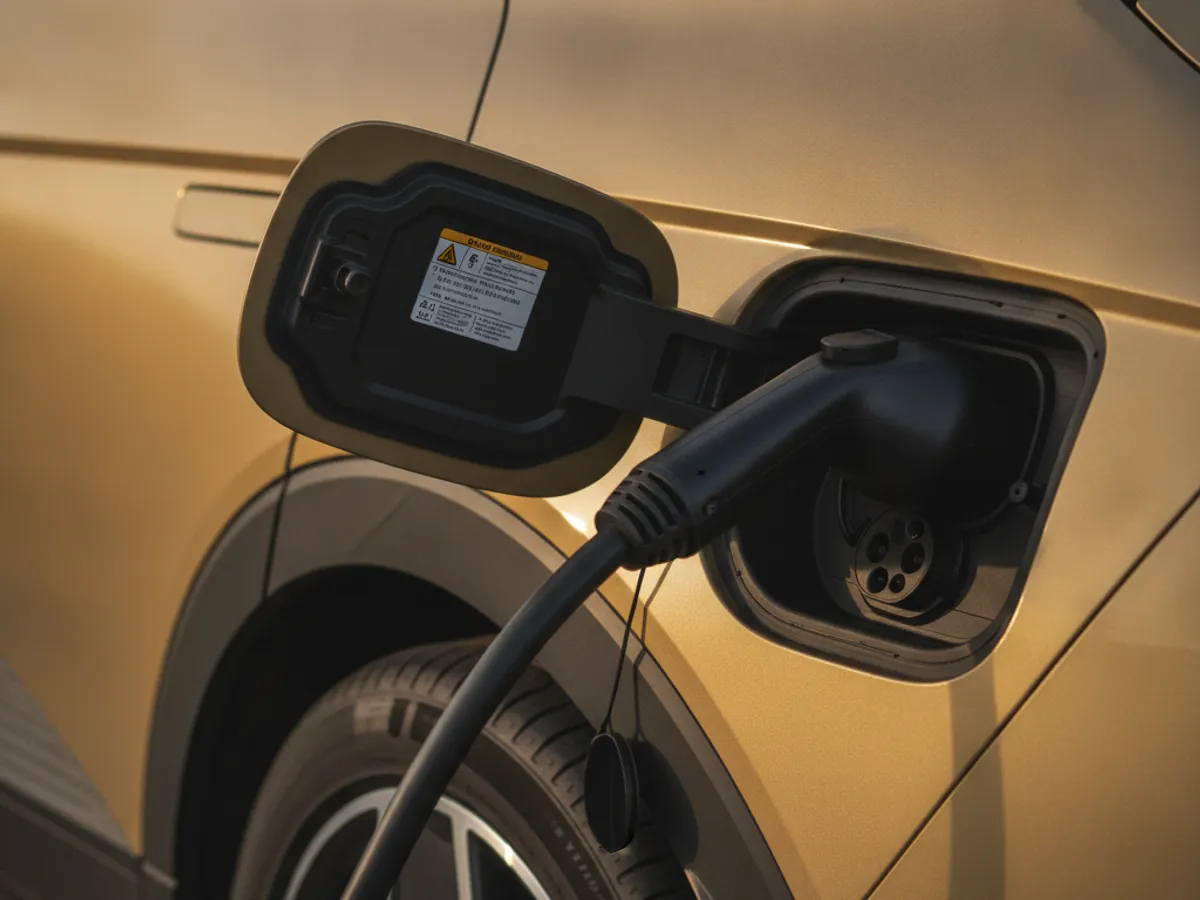
Check the cable seating. The CCS or J3400 connector needs to click firmly. A connector that looks seated but did not click often sits half a millimeter too shallow for the pilot signal. Unplug, wait three seconds, replug with a firm press.
Check the network authorization. Some networks require the user to authorize the session through the app, a tap of the RFID card, or a credit-card tap on the stall screen. A driver who uses the wrong payment method sees “authorization failed” and may interpret that as a hardware fault.
Check the network app for status. Most networks publish real-time stall status. A “stall out of service” message on the app means the issue is at the network, not the car.
Try the adjacent stall. If the network is operating normally and the issue is specific to one stall, the next stall is a faster fix than a service call.
If the stall stays broken
A driver who has tried the above and still cannot initiate a session has two real options: find a different charger or call for mobile help.
Finding a different charger is the right call if the pack has enough range to reach the next location. The Puget Sound region’s public charging network is denser than the statewide average, and a working stall is usually within a few miles. A driver at 50 percent pack does not need to panic. A driver at 12 percent pack does.
Calling for mobile help is the right call if the pack is low, the next public option is far, or the time cost of driving to a working charger is unacceptable. A mobile rescue operator brings a portable Level 2 charger to the car, adds range at the scene, and the driver pays the operator directly. The matched operator works with Charge Pro SEA, which connects stranded EV drivers with licensed, independent local operators across the Puget Sound region.
For a deeper look at why public chargers fail and what drivers can do at the stall, our EV charging stopped at a random percentage post covers the related failure modes.
What to do before the call
A driver who decides to call for mobile help should record four things before dialing.
The vehicle make, model, model year, and connector type. CCS1, NACS, and CHAdeMO are all in use in the region. The matched operator confirms the connector fits the truck before dispatch.
The current pack percentage and the displayed warnings. A driver who reports “12 percent, no warnings, just no working stall” gets a different response than a driver who reports “12 percent, reduced propulsion warning, throttle limited.”
The address and access notes. Loading dock, residential driveway, parking structure floor number, and time restrictions all matter. A driver in a Sammamish garage with a tight turning radius needs an operator with a smaller truck.
Whether the car can roll and steer. A car that will not roll needs a flatbed, not a portable charger. The matched operator may decline the call and refer to a towing service instead.
What mobile charging actually does at the scene
The matched operator arrives with a portable Level 2 or DC charger, depending on the situation. The connector plugs into the car’s charging port at the location where it sits. The car accepts energy through the same path it uses at any public stall.
The session is short and the goal is practical. A driver at 5 percent pack does not need a full charge. They need enough range to reach home, a workplace charger, or a public stall of their choice. The matched operator stays until that goal is met, then bills the customer directly for the service.
Charge Pro SEA does not set operator prices, perform the work, or warrant the outcome. The matched operator confirms the equipment, the access, and the goal before starting.
What to tell the network about the broken stall
Most charging networks want to know about failed stalls. A driver who took the time to report the issue makes the next driver’s stop smoother.
The in-app “report a problem” flow on most networks opens a ticket directly to operations. A photo of the stall ID, the screen error message, and the time of the failure is enough. For Tesla drivers, the car’s screen logs the failure with a timestamp, and reporting through the Tesla app attaches the log automatically.
Reporting the stall does not bring the charger back faster, but it does add the stall to the maintenance queue. Networks that have not been told about a failure often do not know about it until a maintenance tech drives by.
When the issue is the car, not the stall
A driver who tries three different stalls with the same connector and gets the same failure should suspect the car. A faulty charging port, a damaged inlet, a 12V that is too low to initiate a charge session, or a software fault can all present as a broken stall. The same car at a friend’s house on a Level 2 outlet is the easiest test.
If the issue follows the car, the next move is a service-center diagnostic, not a mobile rescue. The mobile operator can charge the car at the scene but cannot diagnose the underlying fault.
For a broader look at charging failures, our mobile EV charging versus tow post covers the choice between on-site charging and a flatbed to a service center.
When to call us
If the public charger is broken, the pack is low, and the next working stall is too far, Charge Pro SEA connects Redmond and Eastside drivers with licensed independent local operators who run mobile charging trucks. Call (206) 202-7018 to reach a local EV rescue operator.